Last week I wrote about What Actually Is Yin Yoga? But it’s not until you have the chance to experience the class for yourself that you can really begin to understand what it actually is all about. That’s why I’ve put together this Yin Yoga Sequence for Grounding, which you can practice at home.
Just before we begin, if you have any injuries or illness which prevent you from accessing any of these shapes, take care. Make use of any props you have at home, to support you in this practice and skip any poses which do not feel right for you. This is a practice for you, and it should leave you feeling calm, balanced and good.
Getting Started
Set out your practice space before you begin. Maybe light some candles or setup an aromatherapy diffuser. Make sure that you have any props to hand. You can improvise with cushions, pillows and folded blankets. Each pose in this sequence has a suggested duration. This is only a suggestion and if you wish to leave a pose sooner or remain longer, then please do so. This is your practice, so take this sequence as a starting point and go from there.
Centering
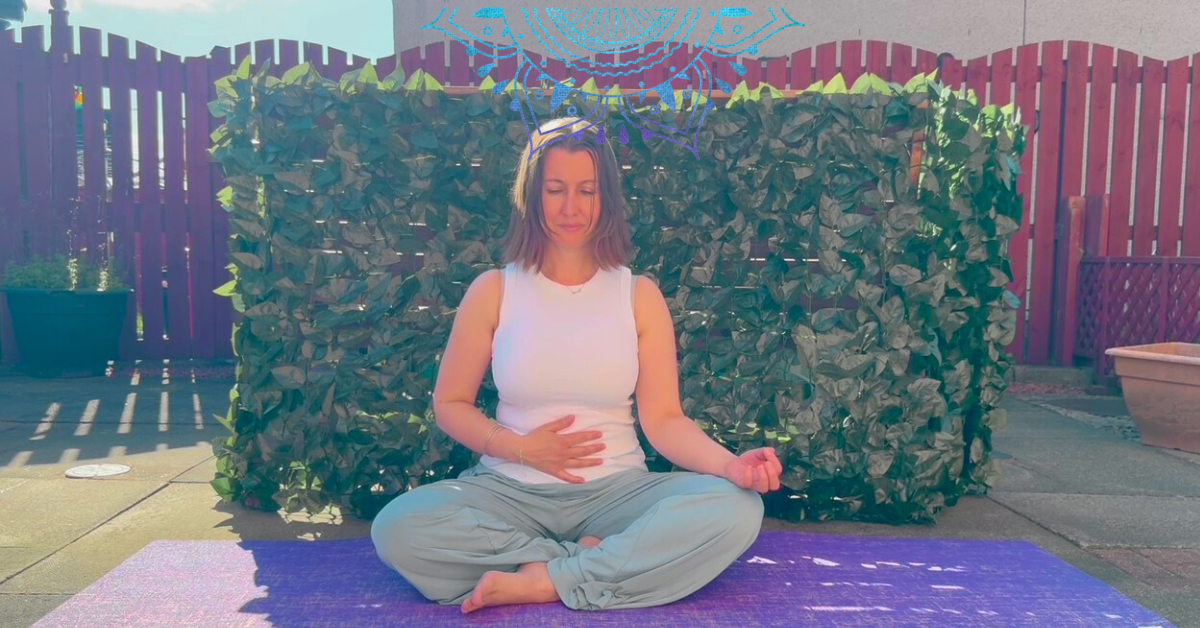
Begin in a comfortable seated position. Sit onto a folded blanket or cushion to help you sit up with a straight spine. We begin by taking our attention to the breath, focusing on the inhales and exhales with full attention. Throughout the practice, as your mind wanders, gently draw it back into the present moment through the breath. If you need some guidance to get started with the breath, then follow along with this Full Yogic Breath video as I lead you through a gentle breath focused practice.
Yin Yoga Sequence for Grounding
Reclining Twist
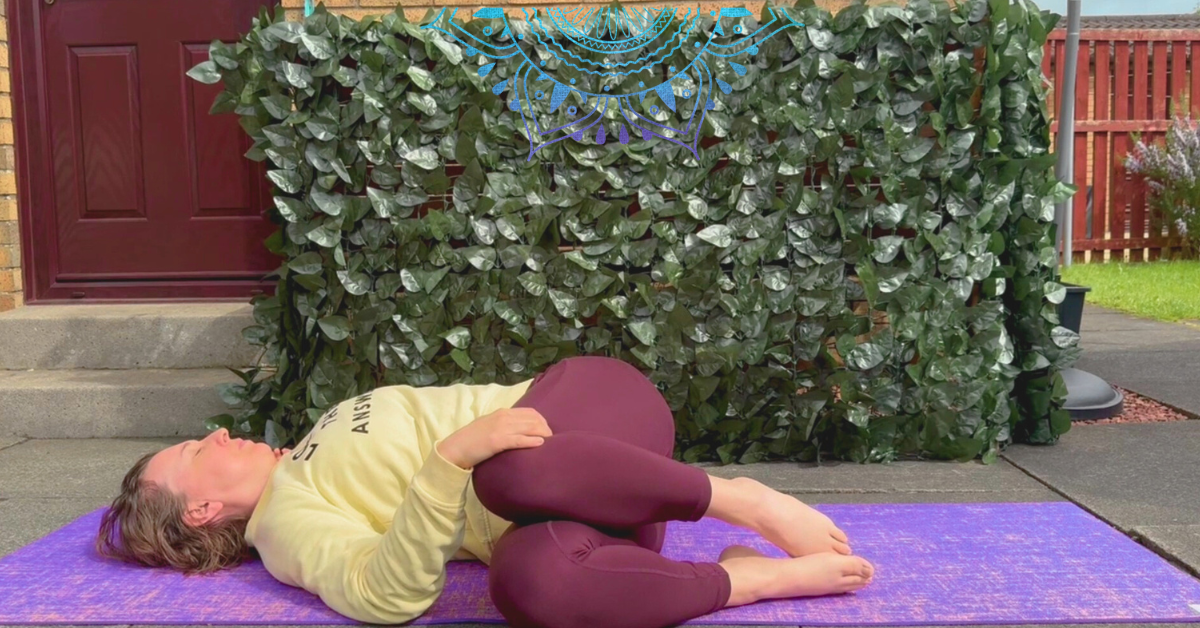
Start laying on your back and hug your knees in towards your chest. Carefully drop the knees towards the floor on the left side while keeping both shoulders anchored to the ground. If the opposite shoulder lifts, place a cushion or rolled blanket underneath the knees. Remain here for up to 5-minutes before repeating on the opposite side.
To increase sensation draw the knees closer towards the upper body. To lessen the experience, take the knees further away from the torso, while still keeping them bent.
Sphinx
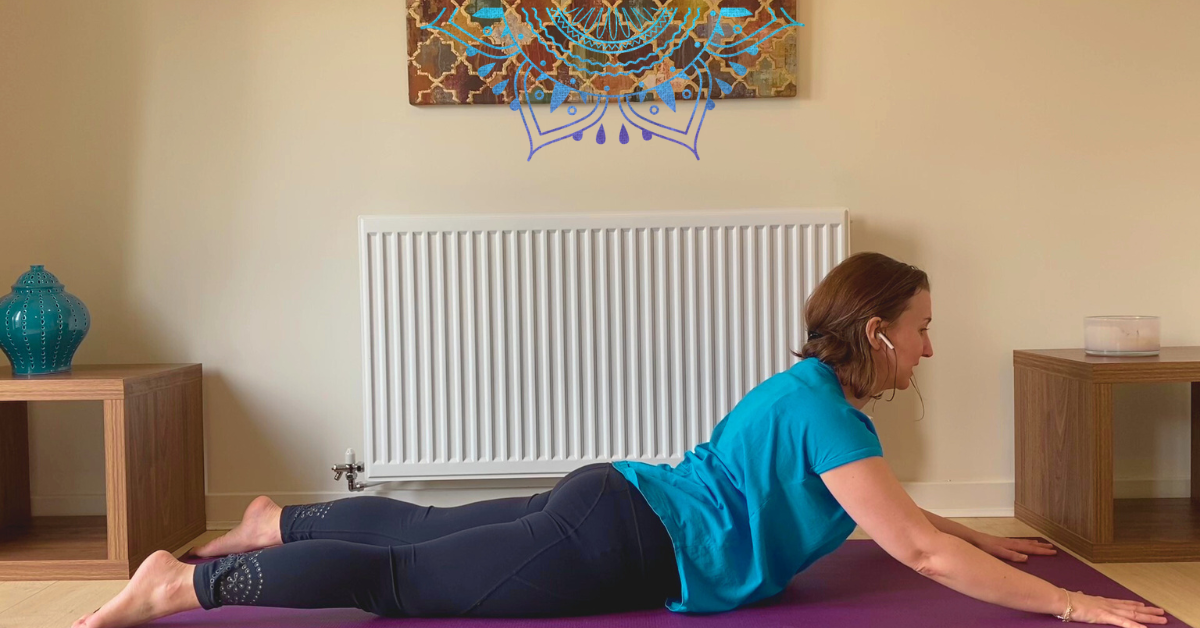
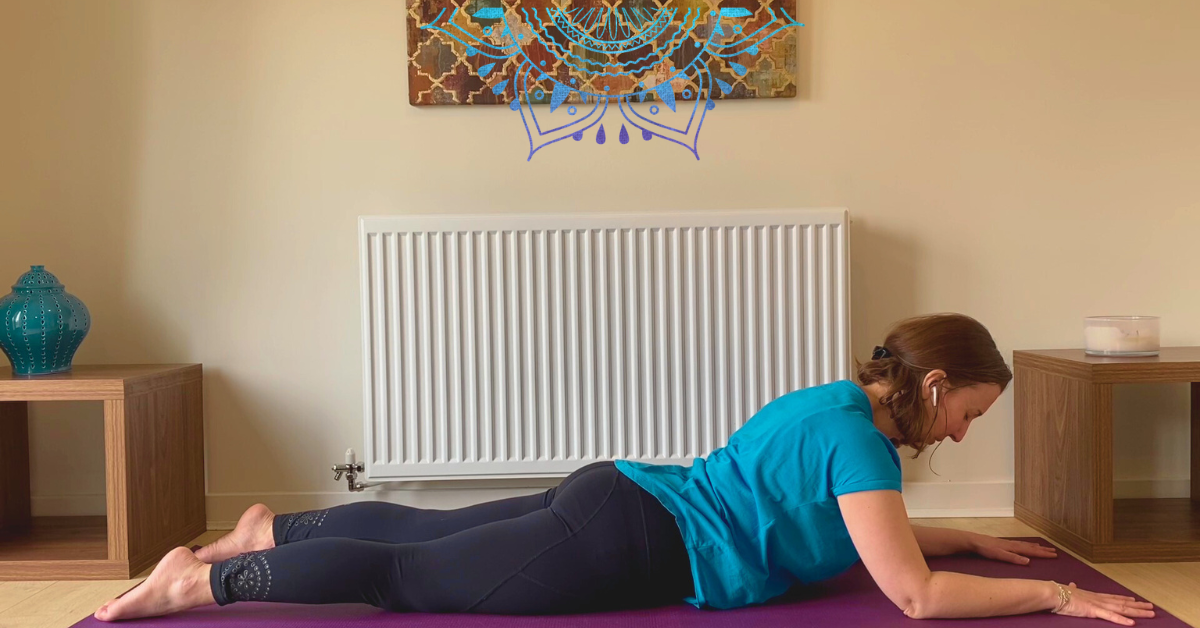
Lay on your stomach and place the forearms onto the floor, with elbows underneath shoulders. The head can remain in a neutral position, gazing forwards or you can look down between the arms. Remain here for up to 3-minutes.
To lessen the stress on the back, move the feet further apart. The forearms can be placed one on top of the other with head resting down to create a more gentle backbend. If you wish to experience more stress in this position, begin to straighten the arms coming into Seal pose.
Bananasana
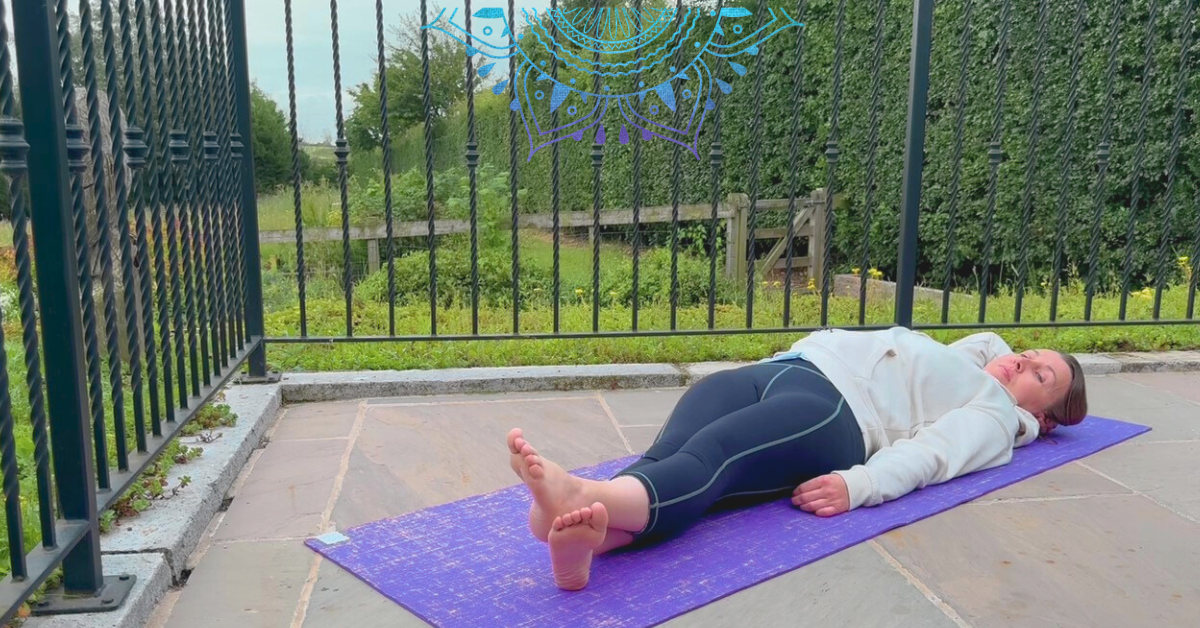
Begin laying on your back, keeping the hips rooted down, gently move the feet and legs towards the bottom left hand corner of the mat. Next take the upper body towards the top left hand corner of the mat. The body should be in a curved position (like a banana) with the right side of the body experiencing the stress in the tissues. To continue the sensation into the shoulders, arms can be extended above the head or forearms can be crossed behind the head. Remain in this shape for up to 5-minutes before coming to the other side.
To increase sensation cross one ankle over the other. It’s worth experimenting with the crossing of the ankles to notice which one enhances the pose for you.
Butterfly
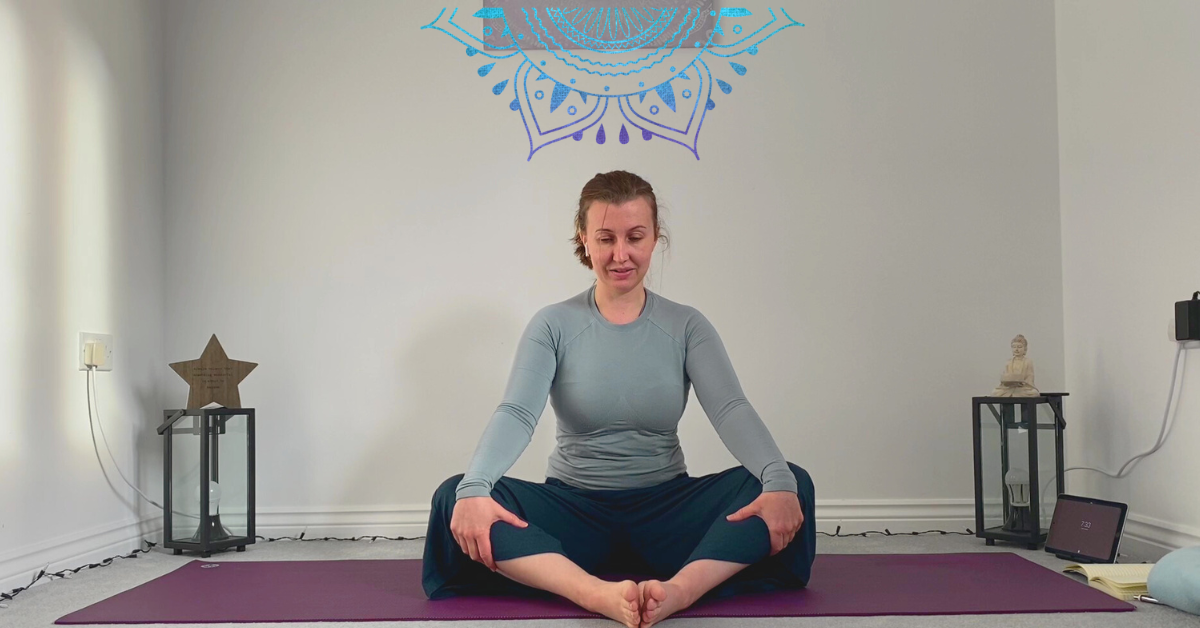
Setup this seated forward fold by sitting onto a cushion or folded blanket. Bring the soles of the feet together and begin to fold forwards. Remain in this position for up to 5-minutes.
Relaxation
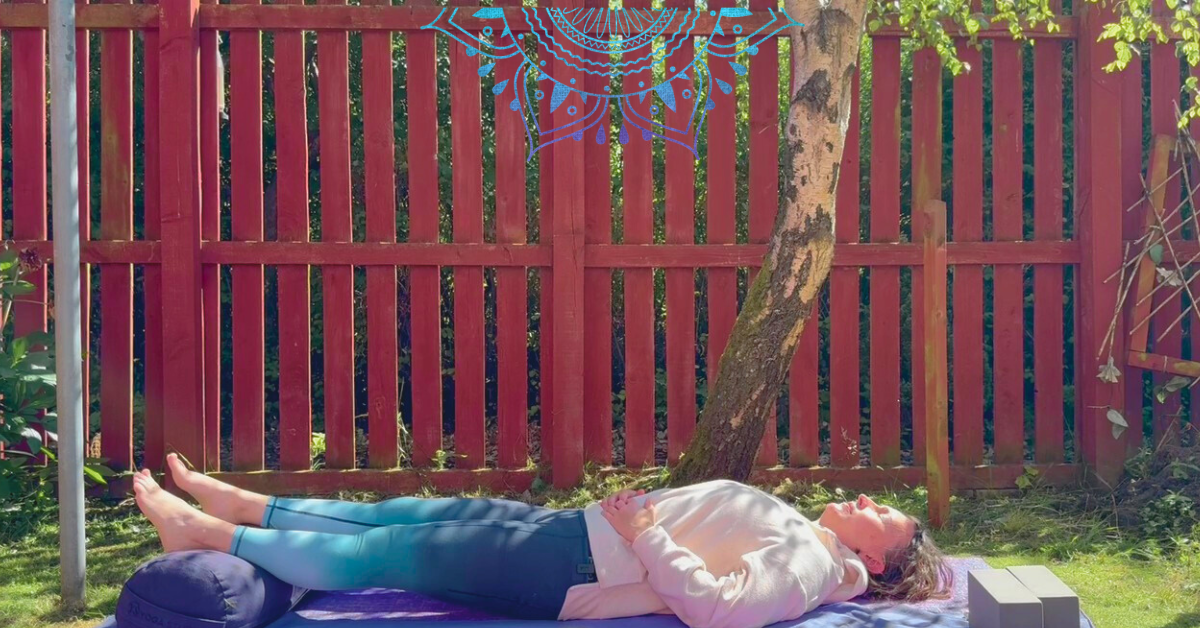
Following your practice, find a comfortable position where you can rest for a while. Use an eye pillow or folded hand towel placed over the eyes to encourage a deeper sense of relaxation. Stay here for up to 10-minutes enjoying the stillness you have created.
Why this Yin Yoga Sequence for Grounding works?
In Traditional Chinese Medicine it’s suggested that we revisit the Earth element in the lead up to the change of seasons. By practicing this yin yoga sequence for grounding we can connect with the Earth element. This encourages us to get out of our heads, release anxiety and nurture our own wellbeing. By making time for yin yoga to ground us we can approach a new season in balance and ready to embrace what’s to come.


You must be logged in to post a comment.