What it’s all about?
Yoga Nidra means ‘yogic sleep,’ but it’s much more than a nap. Anyone who has practiced before can attest to it’s deeply relaxing and restorative qualities. I’ve been a fan of Yoga Nidra for a number of years, despite a rocky start. Now, I appreciate it on its own and not simply as a nice way to end a yoga class.
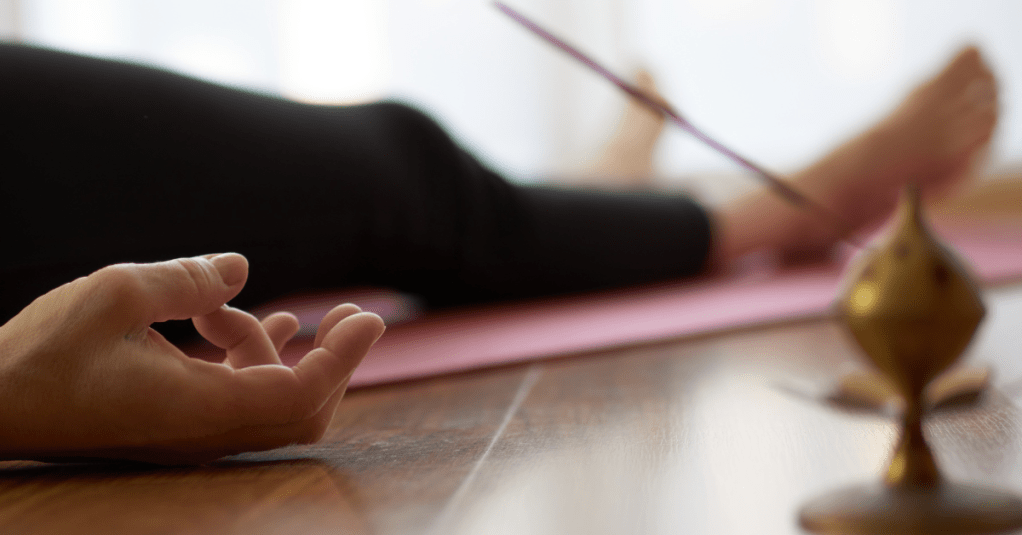
Yoga Nidra is a guided form of meditation. The mind mind is taken on a journey while the body rests deeply. The combination of visual imagery and dedicated time guarantees a profoundly relaxing experience for any practitioner. This makes it an ideal tool in the ongoing battle against stress and a brilliant path to a restful sleep.
Why should I practice Yoga Nidra?
Often delivered at the end of a yoga class, Yoga Nidra has taken the place of savasana or relaxation. But it’s much more than this and it deserves recognition for the multitude of benefits it brings. A few such benefits include:
- Activation of relaxation response with the nervous system
- Improved immunity (Kumar 2013)
- Lowered blood pressure and improved heart function (Pandya and Kumar 2007)
- Decrease in pain symptoms
- Improvement in anxiety and depression through boosting wellbeing (Rani et al 2011)
- Reduction in reported insomnia and improvement in quality of sleep (Kumar 2013)
Living in the 21st century exposes us to higher levels of daily stresses than in the past. Social media, 24 hour news and the pressures of modern society take a toll on our overall wellbeing. The result is interrupted sleep and a feeling of overwhelm. Yoga Nidra is not the cure, but it is a great place to start.
My initial experiences of Yoga Nidra came at a stressful time in my life. I was dealing with completing my initial Yoga Teacher Training and recovering from a bit of a health scare. I found solace in the moments of listening and in taking time our for stillness. I’ve returned to it many times often when I was physically unable to get on my mat. I have used Yoga Nidra as a way to cultivate calm prior to the start of Parent’s Night at work. This has helped me to reset my nervous system, encouraging it to feel safe and preventing a migraine attack.
How do I practice Yoga Nidra?
Find an audio recording you enjoy and a comfortable place where you can relax, undisturbed, for about 15-minutes. Use a pillow to support the head and place a blanket over your body. An eye covering such as an eye pillow or folded hand towel is a nice addition.
Now lay back and listen. That’s all it takes. Just listen and give yourself the chance to experience Yoga Nidra.
Top Tips
- Check out YouTube or Insight Timer for some Yoga Nidra recordings.
- Experiment with the duration of your practice, maybe 10-minutes is all you can find to begin with. A shorter, regular practice is better than a longer one less often.
- Try to practise at different times of the day. Some might find it improves their sleep if done in the early evening.
- Create a habit by making this a regular part of your evening wind down routine.
To begin with this will be a challenge, it’s the same with any new endeavour. But persevere and give yourself a chance to fully benefit from the Yoga Nidra.
If you’d like to join me on Thursday 7 March 2024, I am hosting a FREE Yoga Nidra event in-person. This is the ideal opportunity to start, or to re-start your wellbeing journey. Spaces are limited, so please book in advance if you’d like to come along.

