Introduction to 3-Part Breath
Dirga Pranayama or 3-part breath is one of the first breathing practices introduced to yoga practitioners. It involves breathing into the lungs in 3-stages, with the aim of deepening the breath, releasing stale air and encouraging a fuller breath with more oxygen.
This breath practice is great to help regulate the nervous system, and when practiced after a yoga asana class, it is useful in preparation for meditation. The main benefit of 3-part breathing is that it helps to improve lung capacity, acting as a stepping stone towards more advanced pranayama, including sama vritti or square breathing.
Breathing and the Metal Element
Autumn and the metal element are associated with the organs of the lungs and large intestine, according to 5-Element Theory of Traditional Chinese Medicine. By incorporating breathwork into our routine, we can expect to boost the immune system; support the lungs and large intestine; and help to regulate our nervous systems. The autumn months are an ideal time to incorporate more pranayama into our yoga practice, both at home and wherever else we find ourselves with a few minutes to spare.
What is pranayama?
When I talk about pranayama, I use the definition of breath control or breathwork. To me it incorporates so much more than this, but for a beginner to the practice of yoga these definitions offer a place to start.
According to legendary yoga teacher, BKS Iyengar, pranayama means ‘the yogic art of breathing.’ This is taken from his text, ‘Light on Pranayama,’ which is considered to be a ‘definitive guide’ to the art of breathing. Pranayama is also outlined in the Yoga Sutras, taking pride of place as the fourth of the 8 Limbs of Yoga outlined by Patanjali. With this text dating back to the 2nd Century BCE it is clear to see that breathing has been an integral part of a well-rounded yoga practise since the beginning.
Dirga Pranayama For Beginners
The first pranayama technique taught in many yoga classes is known as 3-part breath or Dirga Pranayama. It works by calming the mind, soothing the nervous system and drawing the attention into the present moment. Here’s a short video I made outlining how to practice.
How to Practice 3-Part Breathing
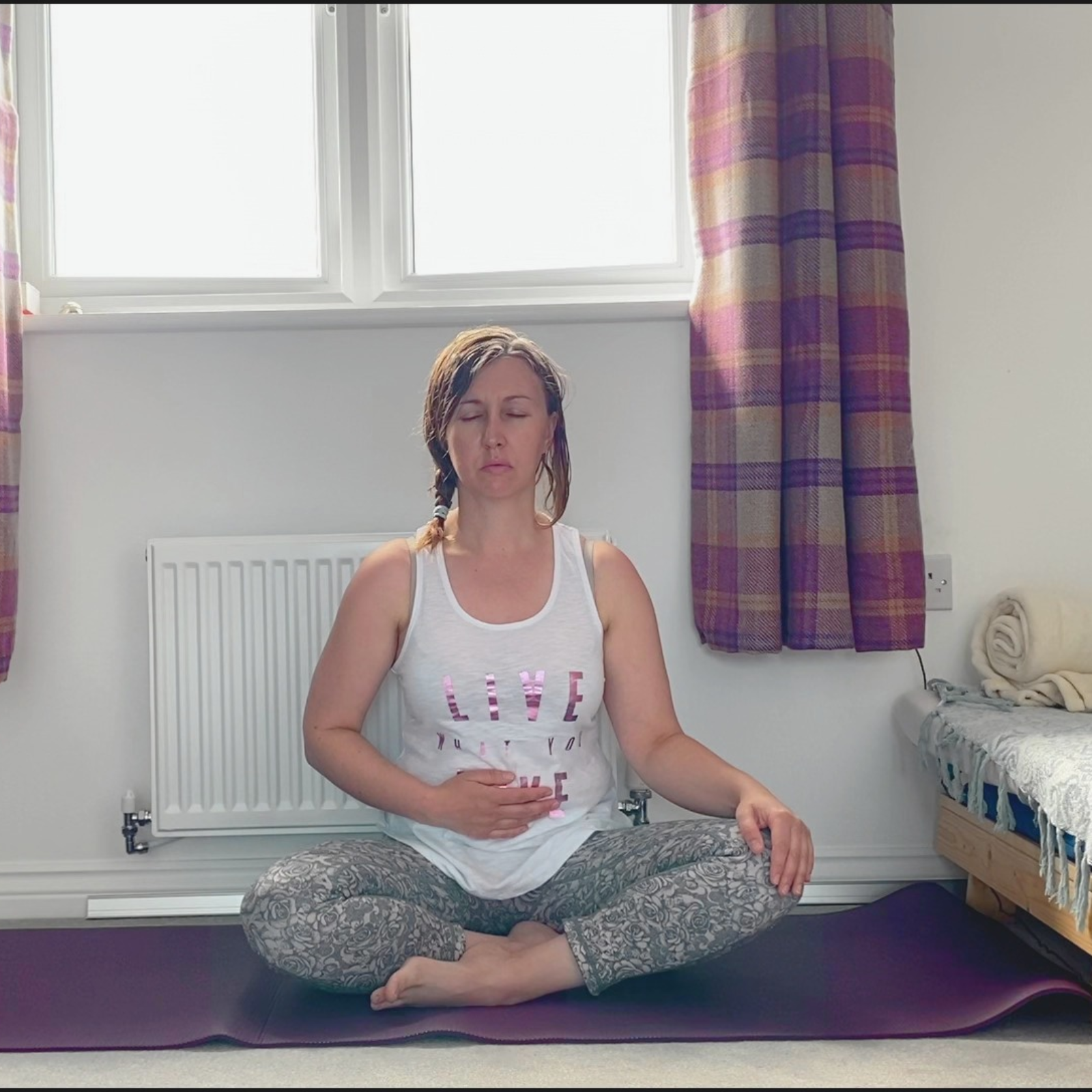
Start in a comfortable seated position with the back straight. We begin by inhaling into the belly. The navel expands on the inhale and draws back towards the spine on the exhale.
Spend about 1-minute here focused on the belly breaths.
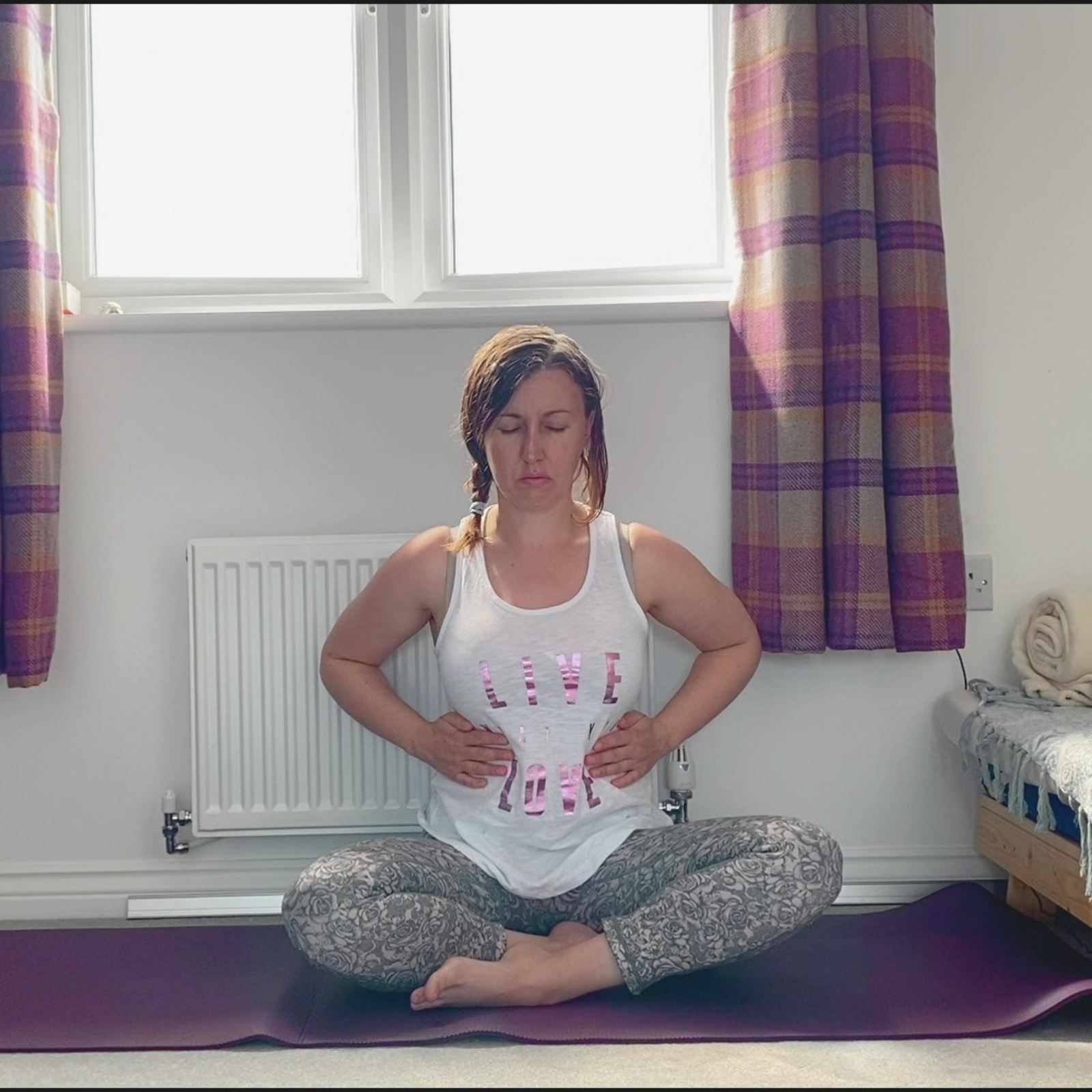
Next, breath in to expand the belly and take the breath deeper by breathing into the side ribs. The breath is moving in 360° beginning to fill the lungs more fully. As you exhale, relax the ribs first and then allow the navel to return towards the spine.
Spend another minute focusing on this deeper breath.
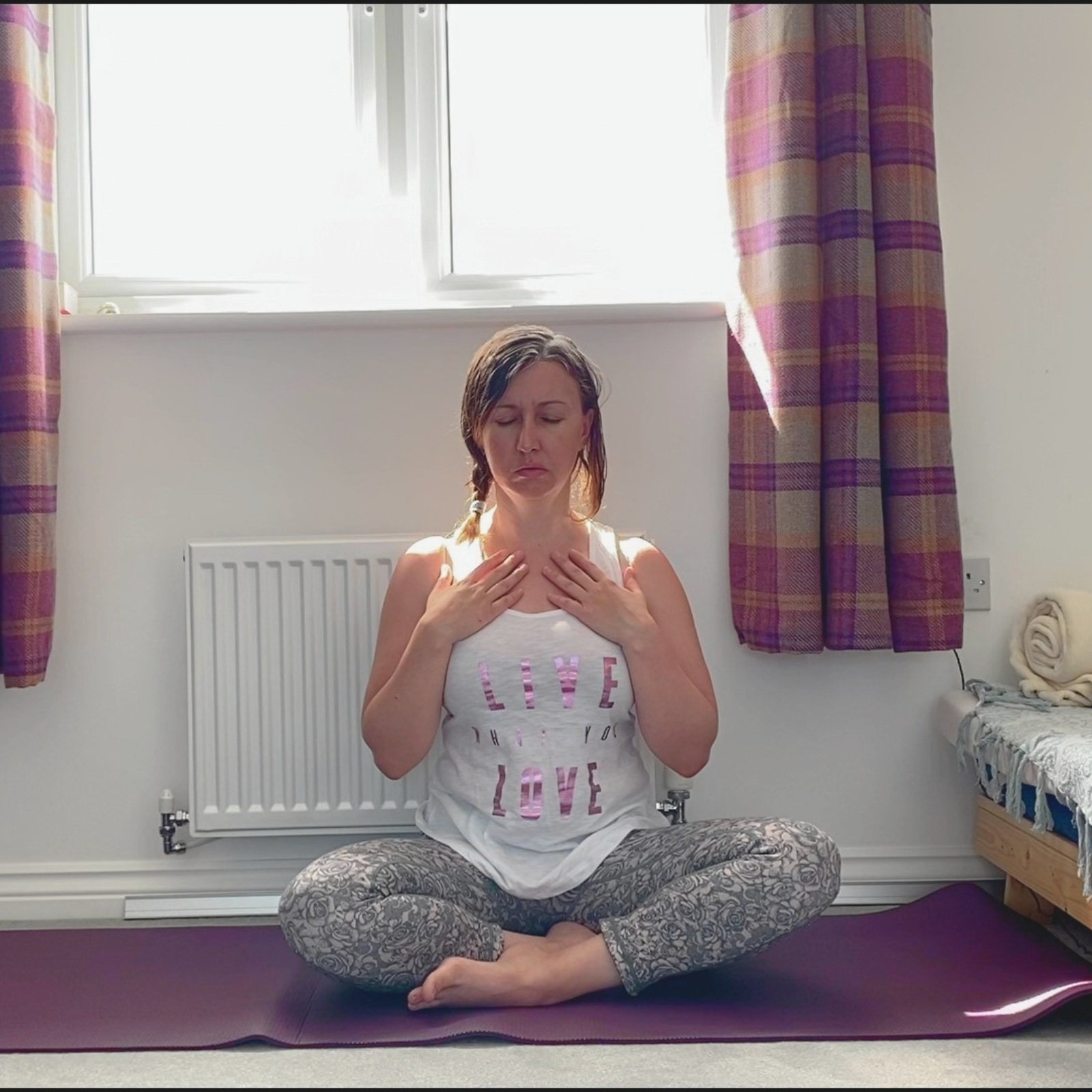
Finally, inhale into the belly, ribs and take a tiny bit more air into the top of the lungs. When you exhale, relax the collarbones, ribs and navel returns towards the spine.
Take a further 2-3 minutes to focus on this full, 3-part breath.
This is a great way to start your yoga practice or your day. Take 5-minutes before you begin moving to check in with the breath and the body in the 3-part breath. It also works as a nice way to wind down at the end of the day, aiding a restful sleep.


You must be logged in to post a comment.