Pose of the Month – How to do closed wing pose
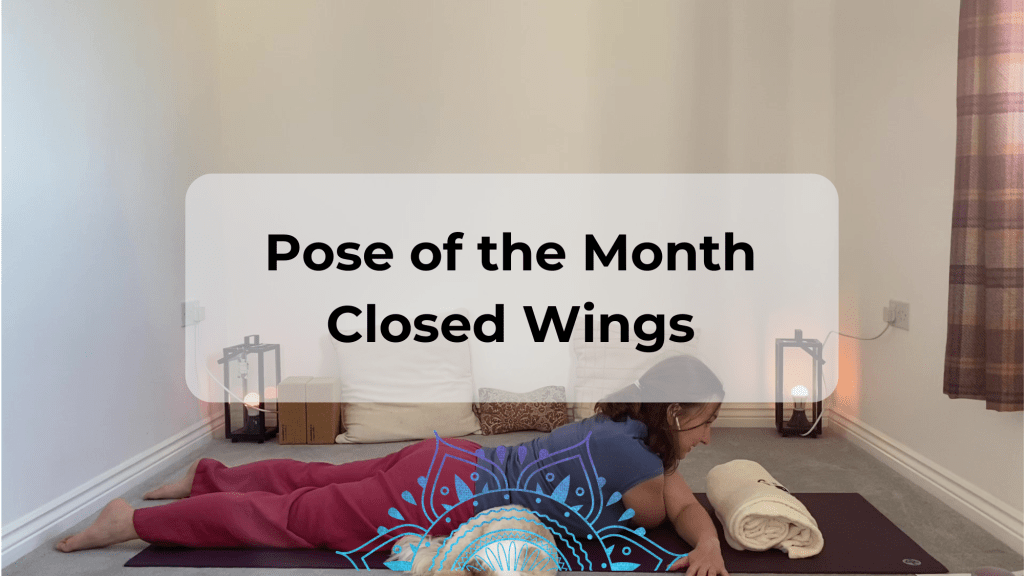
Closed wing pose is another great yin yoga pose which works with the upper body to release tension and tightness in the shoulders and upper back. As many of us carry the weight of the world on our shoulders, learning how to do closed wings pose offers a method of reducing tension in the upper body and encouraging us to lighten our load.
What is closed wing pose?
This yin yoga pose works directly with the 6 upper body meridians of the lungs, large intestine, heart, small intestine, pericardium and triple heater, which run through the arms. Adding closed wing pose into your practice during the autumn can help to boost the immune system by strengthening the meridians associated with this season, of the lungs and large intestines. From a physical perspective, this shape is a great release for the all of the muscles surrounding the shoulder blades, including the trapezius.
How to do closed wing pose?
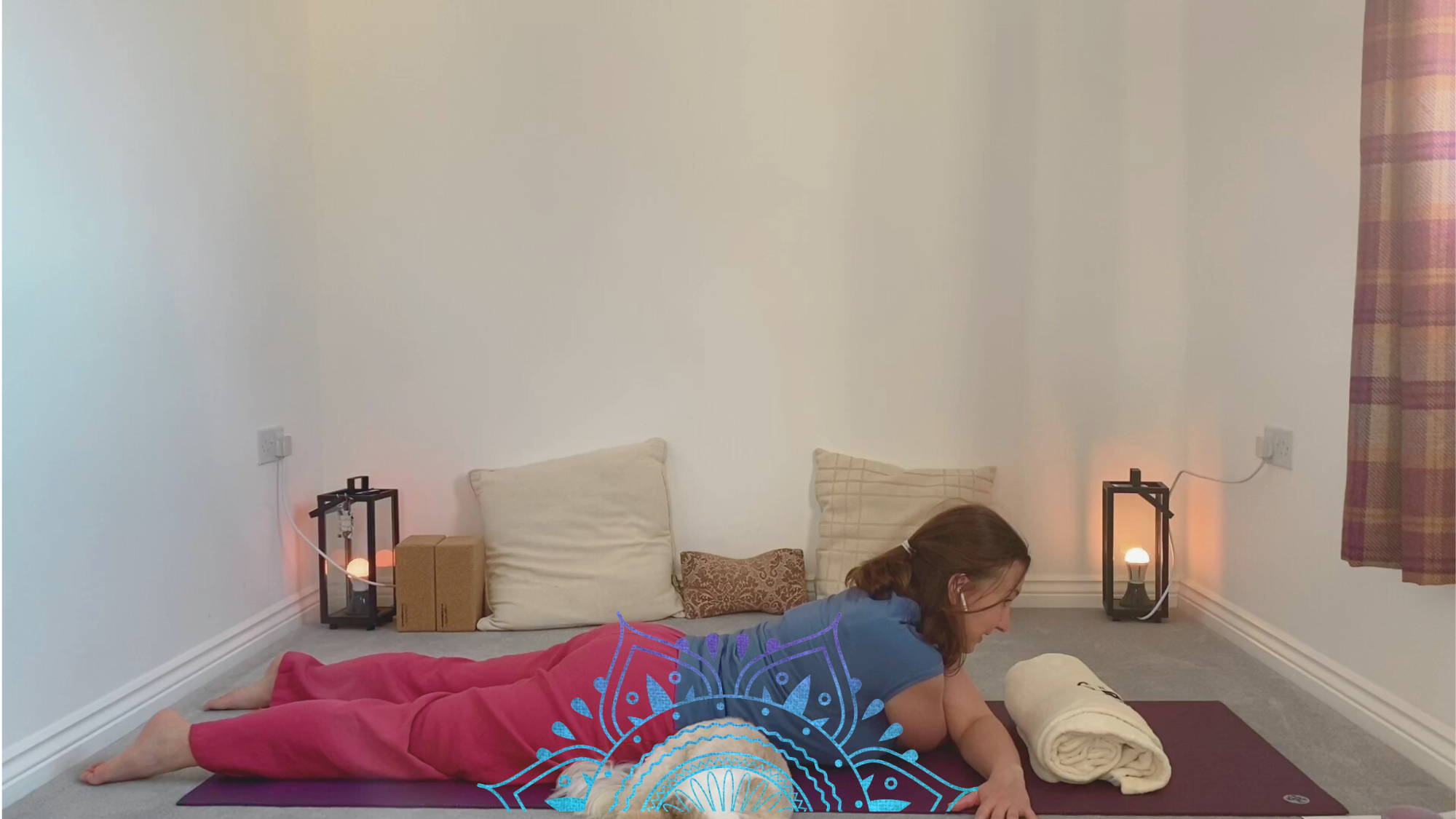
- Lay on your stomach and place the forearms on the floor, left in front of right.
- Gently crawl both hands in opposite directions, drawing the elbows closer together.
- The head can rest forward on the arms, or onto a bolster/cushion.
- Remain here for up to 3-minutes, before leaning to the left to release the pose with care.
- Prepare for the pose on the opposite side, this time placing the right arm in front of the left.
TOP TIP – focus on deepening the breath while in this pose. Breathing is the key to successfully allowing the connective tissue to release and a greater sense of relaxation to spread throughout the body.
Modifications
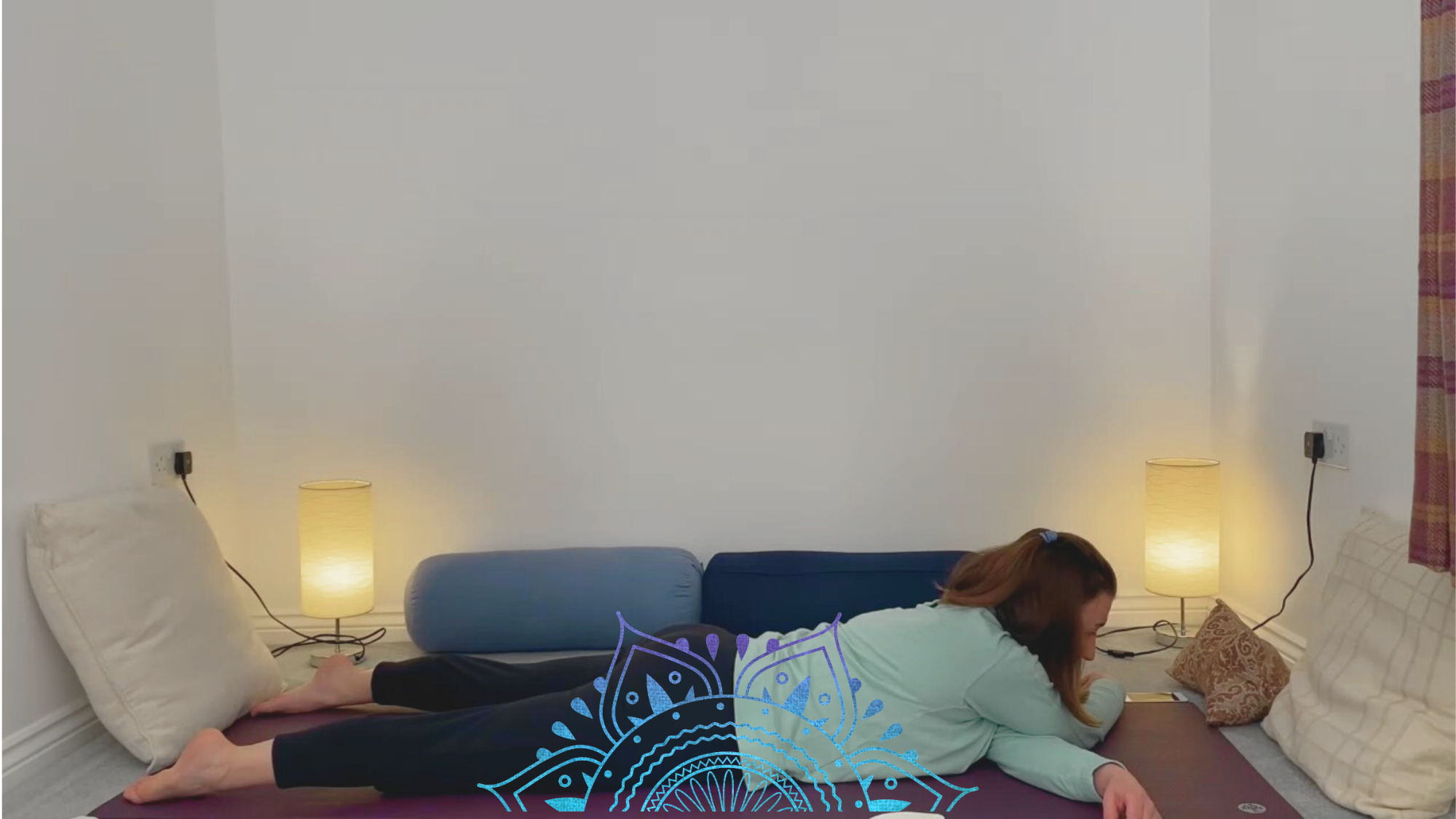
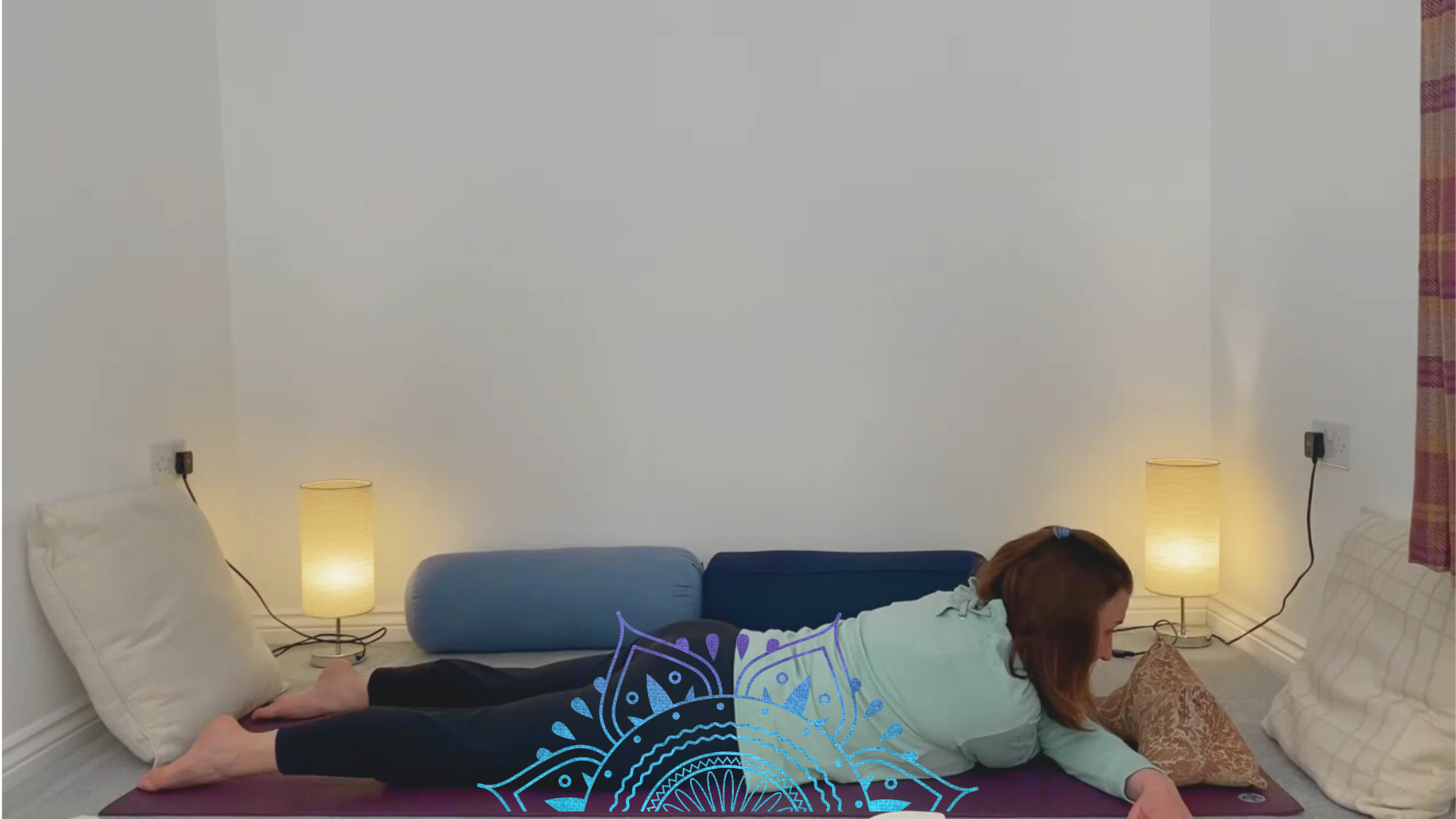
- If you have a shoulder injury or feel very restricted in this shape, remain at step 1 without crawling the hands apart.
- This pose can also be practiced one arm at a time. The opposite arm can be extended forwards along the floor by the ear, or down by the side – choose an option that is most suitable for your range of mobility.
Props
Use bolster or cushion underneath the head, if you wish.
Benefits
- Stretches the muscles surrounding the shoulder blades.
- Improves posture by helping to stretch the upper back while contracting the pecs.
- Relieves neck tension by allowing the neck to lengthen forwards, which can ease headaches.
- Deep breathing in the prone position, helps to stimulate the parasympathetic nervous system, creating a feeling of calm and relaxation.
Variations
Try heading to the wall as detailed above for a less intense option. Slowly increase the time you hold the pose, starting with 5 slow, deep breaths and progressing at your own pace. Go easy and be kind to yourself.
Would you like to try some FREE yin yoga? After reading, head over to my Yoga by Gillian YouTube channel where there are plenty of videos around 10-minutes in length, perfect to fit in on a busy day.


You must be logged in to post a comment.