
Yoga is a fantastic way to manage your wellbeing, but with many different styles to choose from, which the best yoga for migraine?
Do you know your Ashtanga from your Iyengar?
When I first started on my yoga journey yoga was yoga. Heading along to a big hall I practiced yoga with a large bunch of other people. Stepping on my mat I tried to follow the instructions of the teacher way at the front of the hall. I was simply doing yoga and had no clue that there were quite so many different styles of this practice. Joining that first yoga class I was looking for a way to manage my low mood and improve my sleep. I had no idea that different styles of yoga work best for different solutions.
A quick search on Google tells me that there are 8 or 9 main styles of yoga. While the AI on Chat GPT has suggested 15 distinct styles. With so many styles of yoga to choose from where should someone with migraine start? Read on to learn about some of the main styles of yoga and learn what might work for you.
Ashtanga
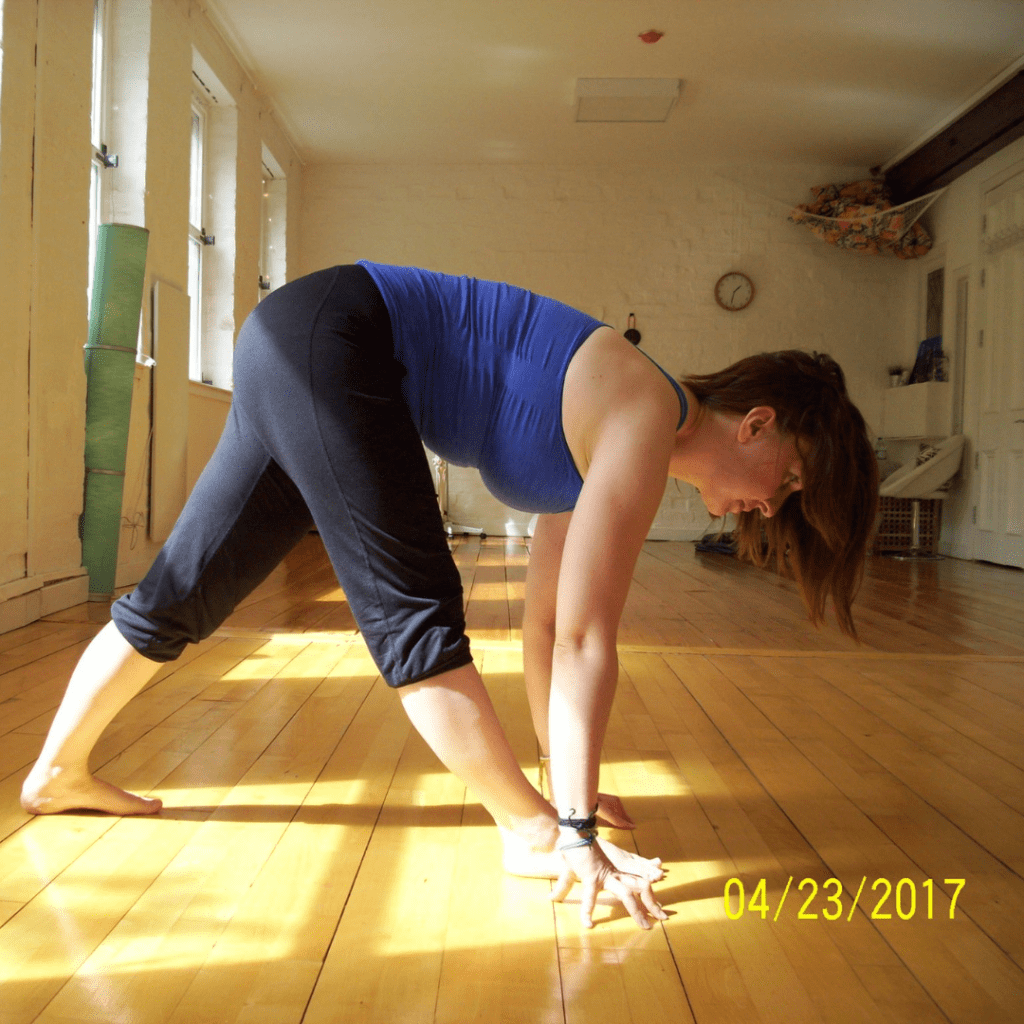
Ashtanga yoga is a style of yoga which encompasses a set sequence of postures. These postures or asana are practiced in the same order 6 days per week. Originally taught by K Pattabhi Jois, Ashtanga yoga traces its lineage back to the early 20th century. The best way to learn Ashtanga is to attend a Mysore style practice. In this class all students work on their own, supported by an experienced teacher as they work through the sequence. The teacher will offer support in the form of adjustments and additional teaching to support mastery of yoga asana. Ashtanga yoga is composed of 6 series of sequences. The next sequence is only taught upon successful completion of the previous one.
Ashtanga is a great practice for those looking for a physical and mental challenge. Offering a set sequence of yoga postures to learn makes this an easy practice to do at home. Working with the breath to move through the postures, the Ashtanga practice becomes a moving meditation. This can offer a change of focus and a goal to work towards, away from the migraine life. Practicing 6 days a week, this style of yoga offers the opportunity to develop strength, flexibility and focus quite quickly.
This style of yoga requires a dedication to stepping on the mat every day and working on your practice. This may not be the best option during a migraine attack, which could hinder your progress.
Vinyasa
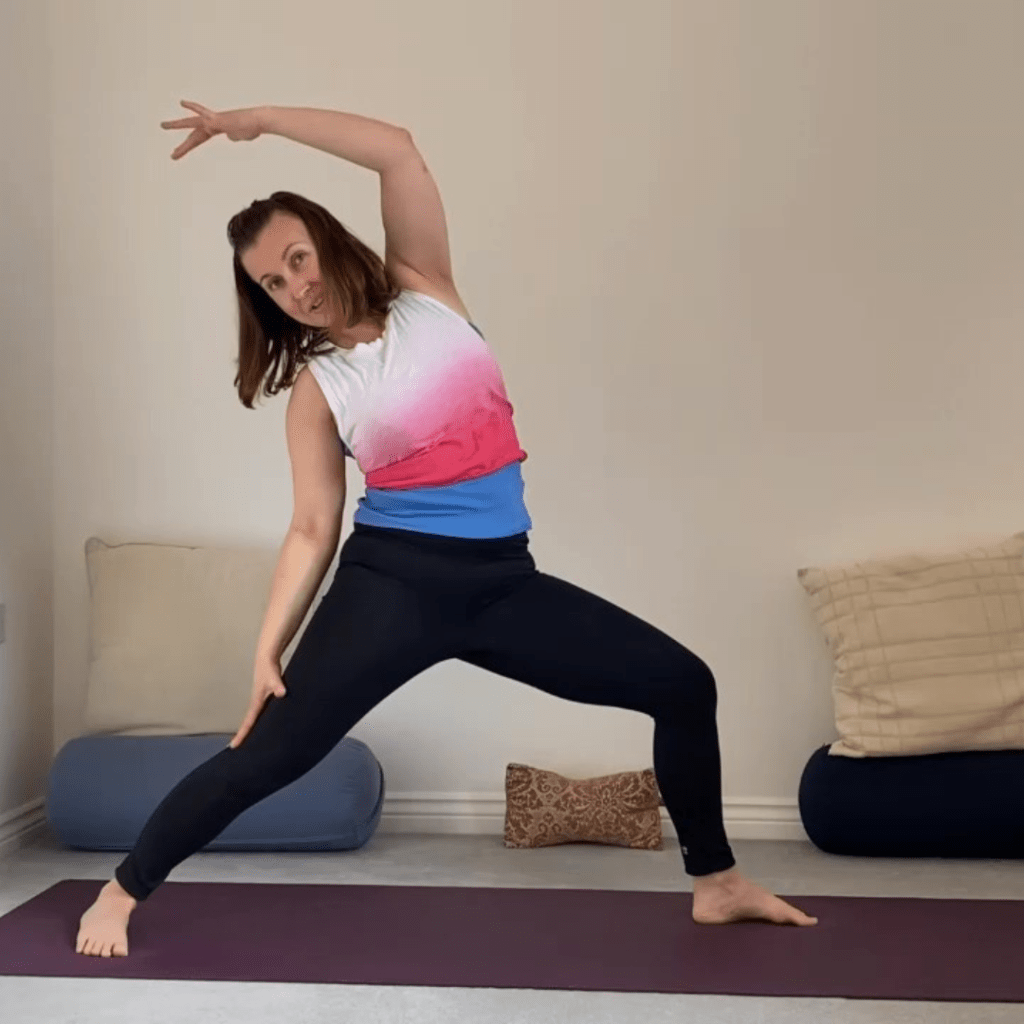
Vinyasa is a popular style of yoga taught across many classes. It involves a flowing sequence of postures where the breath guides the practitioner between asanas. Each position might be held for up to 5 breaths. Classes will follow a balanced sequence working through a series of standing, balance, seated and backbend positions. The emphasis of Vinyasa yoga is maintaining focus on the breath. By connecting with the breath as we flow through yoga asana we are encouraged to experience the present moment.
A well-rounded Vinyasa class will incorporate elements of breathwork and meditation along with the physical practice of yoga asana. Vinyasa yoga is great for those looking for more movement and the challenge of a different sequence each class. It also offers the chance to embrace some of the other yogic teachings including meditation and breath focus. Learning to still the mind through meditation and calm the nervous system with the breath can prove invaluable in the ongoing journey of migraine management.
Iyengar
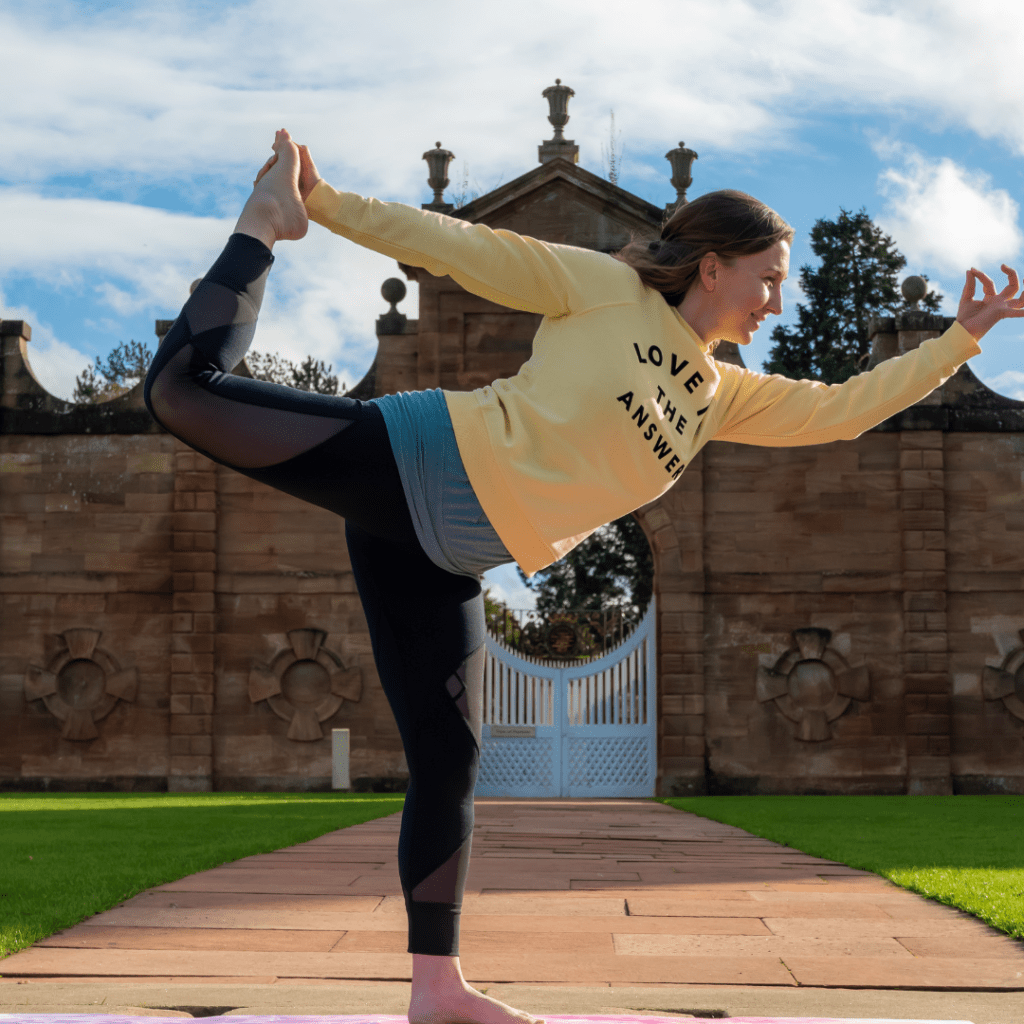
BKS Iyengar is quite famous in yogic terms as he is the author of several yoga books. He shared the same teacher as Pattabhi Jois and therefore there are several similarities between both styles of yoga. Iyengar yoga focuses on alignment, detail and precision within the practice. This style of yoga makes use of props to support people of all ability levels as they develop their practice.
In an Iyengar yoga class, students remain in postures for a bit longer than the styles mentioned above. This allows muscles to relax as the practitioner develops more awareness of the asana they are working on.
Learning how to relax the muscles during a yoga practice can provide a valuable insight into being more in tune with the body. This style of yoga is a good choice for migraine as the focus on alignment may help ease tight shoulders and necks, which could contribute towards migraine pain.
Yin
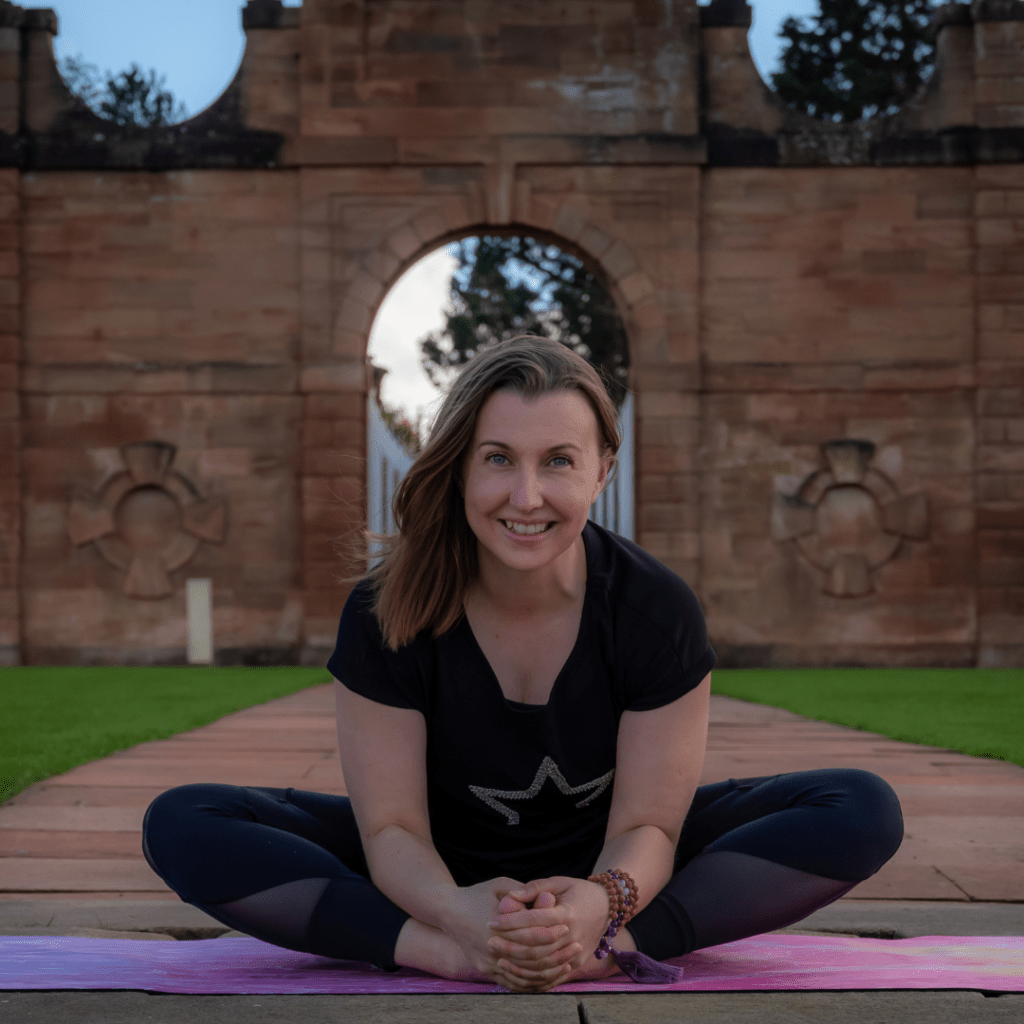
Yin Yoga is a relatively new form of yoga tracing it’s origins back to the 1970s. This style of yoga is slow and involves remaining in postures for a length of time. The aim here is to place ‘stress’ on the deeper connective tissues of the body. Yin yoga incorporates traditional Chinese medicine as many of the yin asana work within the subtle body or meridian lines. The aim of this practice is to improve mobility and flexibility. This is achieved through increasing circulation within the body while cultivating a quieter, more introspective practice. Yin yoga does not focus on correct alignment for each posture, but embraces a functional approach. A functional approach allows practitioners to modify positions to suit them rather than the other way around.
Yin is great way to manage the ongoing effects of migraine. It offers the chance to slow down, to accept support in the form of props and to learn to relax. Working with traditional Chinese medicine, yin yoga stimulates the meridian lines to bring balance within the body. This may support the nervous system in healing itself. This style of yoga also teaches us to sit with our discomfort, which is another valuable tool when managing ongoing pain. Try this yin yoga class for migraine.
Restorative
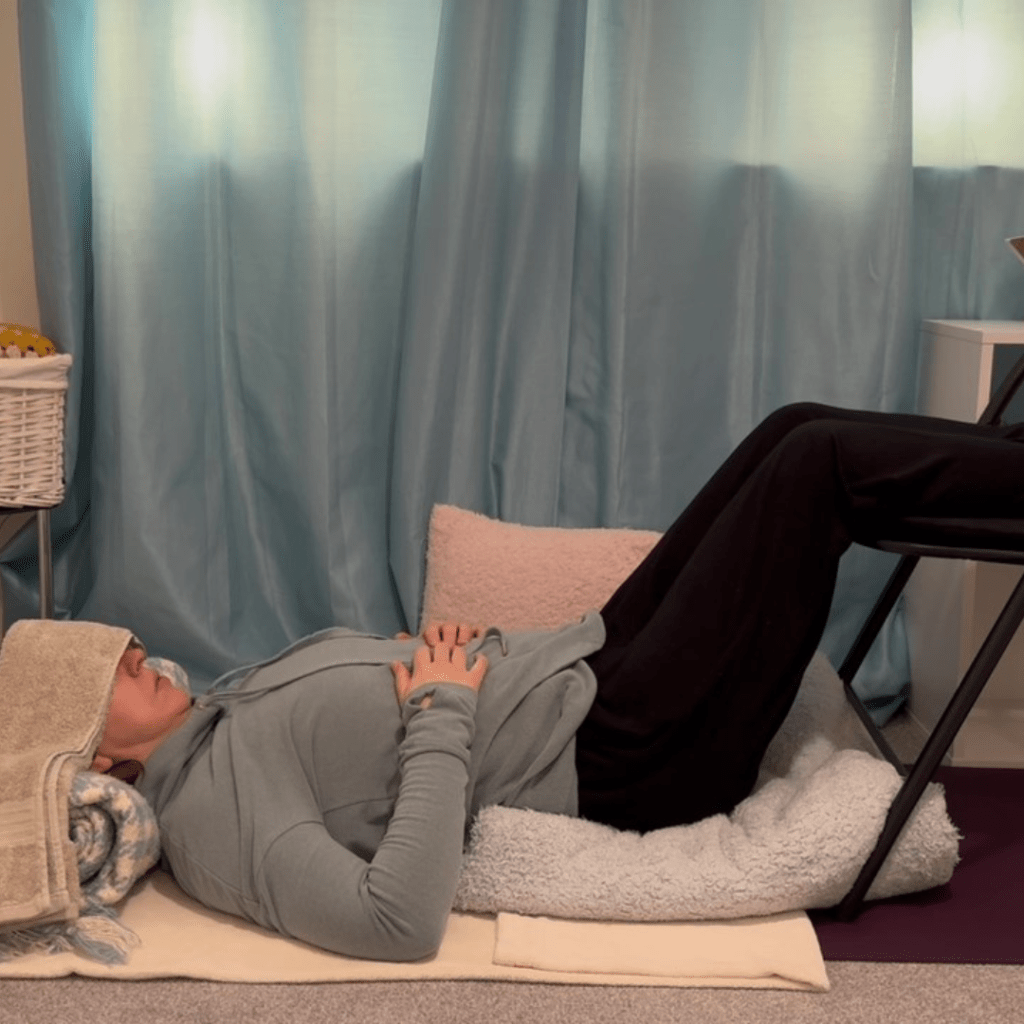
The main focus of Restorative Yoga is to relax the body, reduce stress and to reset the nervous system. This practice makes use of ALL the props to support the body as positions are held for up to 20-minutes. Unlike Yin yoga, Restorative Yoga offers the chance to feel supported and to relax. This allows time for recovery and healing to take pace.
Restorative yoga is ideal for those recovering from illness or injury. The use of props and the length of time in a position, provides space for mental and physical relaxation. This practice is a positive way to teach the body to relax deeply, allowing the chance for healing to take place. It is also a great way to encourage a deeper and more restful sleep. Read more about Restorative Yoga for migraine here.
What do do next…
These are only a selection of yoga styles, there are plenty more. But it’s important to remember that not every style of yoga is the best yoga for migraine. Being aware of your own needs and adapting the practice to suit on a daily basis is at the heart of what yoga truly is. Choose what works for you and don’t be afraid to try new styles of yoga, ensuring that you take appropriate rest. Having an awareness of the best yoga for migraine is the first step towards taking a lead role in your healing journey. As you begin your yoga journey it is important to remember that your yoga practice can and should change throughout the year and your life.
The very practice of yoga is not a static like many forms of exercise. Yoga offers the opportunity to meet yourself just as you are each day. It’s important to assess what is required and then to implement an appropriate plan. Some days movement is the best thing for the body and mind. Other days a more restorative practice provides what is needed. Listen to your own inner guidance and take the first steps.


You must be logged in to post a comment.